
Diseases and Vaccinations
The vaccinations recommended for your trip depend on your destination, the length of your stay, accommodation, planned activities, age and health. Below you will find an overview of the most common vaccinations and travel health advice.
Many travellers primarily need to make sure that their routine vaccinations are up to date and consider additional protection against hepatitis A. For longer trips, backpacking, working abroad or travel to areas with an increased risk of infection, additional vaccinations or malaria prevention may be recommended.
Quick overview
Routine vaccinations for all travellers
- Polio – Routine vaccination is important
- Tetanus – Routine vaccination is important
- Diphtheria – Routine vaccination is important
- Whooping cough (pertussis) – Routine vaccination is important
- MMR (measles, mumps and rubella) – Adequate protection is particularly important
Additional vaccinations – may be recommended depending on your destination and travel plans
- Hepatitis A – Often recommended
- Hepatitis B – Particularly for longer stays
- Dengue – Vaccination may be considered for travel to risk areas
- Chikungunya – Vaccination may be considered for travel to risk areas
- Cholera – May be considered where hygiene and sanitation are poor
- Typhoid – May be considered where hygiene and sanitation are poor
- Japanese encephalitis – May be considered for longer stays in certain risk areas
- Meningococcal disease – May be relevant for certain types of travel involving close or crowded living conditions
- Influenza – Particularly important for people at increased risk of severe illness
- TBE – Risk in areas where infected ticks occur
- Tuberculosis – Mainly for longer stays or certain risk groups
Particularly important travel health risks
- Rabies – Important / potentially fatal risk
- Yellow fever – Important / potentially serious risk / vaccination may be mandatory
- Malaria – Important / potentially life-threatening risk
Routine vaccinations for all travellers
Everyone – whether travelling abroad or staying at home – should have adequate protection against
- polio
- tetanus
- diphtheria
- whooping cough (pertussis)
- measles, mumps and rubella
These vaccines are commonly included in national childhood vaccination programmes, although vaccination schedules and recommendations vary between countries.
In recent years, several countries have reported increased transmission of diseases including measles and polio. Anyone who is not adequately protected against measles should therefore consider vaccination before travelling, including when travelling within Europe.
Polio
is a viral disease that can cause paralysis and, in some cases, life-threatening illness.
The disease has not yet been completely eradicated, and poliovirus continues to circulate in some parts of the world. Outbreaks and detections of poliovirus in wastewater are regularly reported in several countries.
Routine protection is provided through national childhood vaccination programmes. Before travelling to certain risk areas, an additional dose may be recommended depending on your previous vaccinations, destination and current recommendations.
Tetanus
is caused by a toxin produced by bacteria found in soil and the environment. Infection occurs when bacteria enter through a wound, and tetanus is not transmitted from person to person. Even minor wounds can pose a risk to people who are not adequately vaccinated.
Vaccination provides very effective protection.
Make sure that your routine tetanus vaccinations are up to date according to the recommendations in your country of residence. Recommendations for booster doses vary between countries and may also depend on your previous vaccination history and certain types of wounds.
Diphtheria
is a serious bacterial infection that primarily affects the respiratory tract and can cause severe illness through toxins produced by the bacteria.
Diphtheria is uncommon in many European countries but continues to occur in several parts of the world, with occasional cases and outbreaks also reported in Europe.
Protection is maintained through booster doses, usually given in combination with vaccines against tetanus and other diseases. Recommended booster intervals vary between countries.
Measles / mumps / rubella
are highly contagious viral infections spread mainly through the air and respiratory droplets. Children should receive MMR vaccination according to the routine vaccination programme in their country of residence.
For travel to areas with increased measles transmission, earlier vaccination may sometimes be considered from approximately 6 months of age. A dose given before the age at which routine MMR vaccination normally begins may not count as part of the standard vaccination schedule, and additional doses will therefore usually be required.
Adults should make sure that they have adequate protection against measles. People who have not previously had measles and have received only one dose of MMR vaccine may need a second dose, depending on national recommendations and individual circumstances.
Additional protection
Hepatitis A
is caused by a virus transmitted mainly through contaminated food or drink and causes inflammation of the liver. The risk is greatest in countries where water, food hygiene and sanitation standards are poorer. Vaccination is often recommended for travel to large parts of Africa, Asia, the Middle East, South America and Central America.
One dose of hepatitis A vaccine provides very good protection for at least one year. A further dose approximately one year later can be expected to provide protection for at least 40 years.
Young children rarely become seriously ill but can transmit the infection to others after returning home. Vaccination may therefore still be considered, particularly for children attending preschool or nursery.
If you are pregnant, it is particularly important to consider protection against hepatitis A when travelling to areas with a high risk of infection.
Hepatitis B
is transmitted through blood and sexual contact, but infection can also occur in connection with tattooing, piercing, ear piercing, surgical and dental procedures, blood transfusions and inadequately sterilised needles.
Vaccination is recommended particularly for longer stays or repeated travel to areas where hepatitis B is common. Healthcare workers should also be vaccinated.
Good protection is usually achieved after three doses, preferably given over a period of six months. If there is not enough time to give the first two doses well before departure, an accelerated schedule of three doses over 2–3 weeks may be used instead. In this case, a fourth dose should be given after one year. This additional dose also provides protection for future travel.
Dengue fever
is sometimes known as "breakbone fever" and is caused by a virus transmitted by mosquitoes that mainly bite during the daytime. Dengue has increased dramatically worldwide in recent years, and major outbreaks occur regularly in tropical and subtropical regions, including Southeast Asia, South America and the Caribbean.
Dengue is relatively common among travellers to tropical regions, although symptoms may also first appear shortly after returning home. Common symptoms include fever, headache, back, muscle and joint pain, rash and pain behind the eyes. The illness is usually self-limiting, with symptoms generally lasting a little over a week. In some cases, however, severe disease requiring hospital treatment can occur. The risk of severe disease may be greater with a subsequent dengue infection. Deaths occur in rare cases.
Protection against mosquito bites is therefore very important. Vaccination may be considered in some cases following an individual risk assessment.
Chikungunya
is a mosquito-borne viral disease that has caused major outbreaks in recent years in parts of Asia, Africa, the Indian Ocean region and South America.
The virus is transmitted by mosquitoes that often bite during the daytime, from early morning until late evening. Symptoms resemble those of dengue fever, with sudden onset of high fever, headache, muscle pain and joint pain. Some people also develop itching, skin rashes and minor bleeding. The disease is generally not life-threatening, but troublesome and persistent joint pain can affect around 30% of those infected, particularly older people. Complications such as inflammation of the brain or the membranes surrounding the brain can occur.
Important preventive measures include protection against insect bites and, in some cases, vaccination.
Cholera
is a bacterial infection that can cause severe diarrhoea and rapid dehydration. Infection occurs mainly through contaminated water and food in areas with poor sanitation and inadequate access to safe drinking water.
Large outbreaks occur repeatedly in parts of Africa and, periodically, in Asia, the Middle East, South America and Central America. The risk for most tourists is generally low but increases with basic accommodation, longer stays or travel to areas experiencing an ongoing outbreak.
Vaccination may be particularly considered for people who:
- have chronic intestinal disease
- have heart disease, kidney disease or diabetes
- have reduced stomach acidity or use acid-suppressing medication
- are planning a longer stay in areas with poor hygiene and sanitation
- are travelling to areas with an ongoing cholera outbreak
Even shorter trips to high-risk areas may sometimes justify vaccination, as an episode of diarrhoea can significantly affect a trip.
The vaccine is usually given as two doses at least one week apart. For the best protection, the final dose should be taken no later than one week before departure. Protection against cholera is good and can last for up to two years in adults, but only six months in children.
Good hand hygiene and care with food and drinking water remain the most important preventive measures.
Typhoid fever
is a serious intestinal infection caused by bacteria. It occurs mainly in Asia, Africa, South America and Central America, particularly where water and food hygiene may be inadequate.
The risk for most tourists is generally low, especially during shorter stays in hotels with good hygiene standards. Vaccination may, however, be considered for:
- longer stays
- backpacking
- work or voluntary work
- staying with local residents
- travel involving basic accommodation or uncertain hygiene conditions.
Two types of vaccine are available: capsules taken by mouth and an injectable vaccine. Protection lasts for approximately 1–3 years.
Vaccination does not provide complete protection, so care with food and drinking water remains very important.
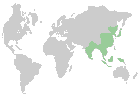
Japanese encephalitis
is a serious viral disease that can cause inflammation of the brain. It occurs in parts of Asia and the western Pacific, as well as in some parts of Australia.
The virus is transmitted by mosquitoes, particularly in areas where pigs and water birds live close to people. The risk is generally greatest in rural and agricultural areas, especially near rice fields and standing water, although transmission can also occur on the outskirts of larger cities.
For most ordinary tourists the risk is low, but vaccination may be considered for:
- longer stays in risk areas
- backpacking or basic accommodation
- stays in rural areas
- repeated travel to endemic areas
- uncertain itineraries or travel involving a variety of environments
- travel during an ongoing outbreak
Vaccination may also be appropriate for people planning to live temporarily or permanently in countries where the disease occurs. The primary vaccination course usually consists of two doses and provides good protection for several years. A booster dose may be recommended if the risk continues.
As the disease is spread by mosquitoes, effective protection against mosquito bites is always important, even for vaccinated travellers.
Meningococcal disease (meningitis)
is a serious bacterial infection that can cause meningitis and sepsis. The disease often develops rapidly and can be life-threatening. Infection is spread through close contact between people via coughing, sneezing or saliva. The risk of transmission increases with prolonged close contact and crowded living conditions. Major outbreaks occur particularly in parts of sub-Saharan Africa, in the area known as the "meningitis belt", although the disease also occurs elsewhere in the world, including Asia, South America and periodically in Europe.
Vaccination may be particularly considered for:
- longer stays in areas with an increased risk of infection
- close contact with local residents
- studying abroad or living in shared accommodation
- healthcare or humanitarian work
- travel during the dry season in the African meningitis belt
Meningococcal vaccination is also mandatory for pilgrims travelling to Mecca and Medina in Saudi Arabia for Hajj and Umrah. Several different groups of meningococcal bacteria can cause disease. The vaccine recommended depends on the destination, age and individual risk assessment. In some situations a vaccine against groups A, C, W and Y is used, while vaccination against group B may be appropriate in others.
Protection is usually achieved after one or two doses depending on the type of vaccine and the traveller's age. The duration of protection varies, and a booster dose may sometimes be required if the risk continues.
Influenza
is a viral infection spread mainly through respiratory droplets and close contact between people. Influenza circulates worldwide throughout the year, although in temperate parts of Europe larger outbreaks occur mainly during the winter months.
When travelling between different parts of the world, travellers may be exposed to influenza during the local influenza season, particularly during air travel, cruises, group travel, and stays in larger cities or tourist areas.
Vaccination is particularly important for people at increased risk of severe illness. Recommendations regarding which groups should be vaccinated vary between countries, and travellers should follow the current recommendations in their country of residence.
Vaccination may also be considered before travelling abroad, both to reduce the risk of becoming ill during the trip and to avoid placing additional demands on healthcare services at the destination.
Influenza viruses change continuously, which means that vaccines are updated regularly. Protection is therefore primarily intended for the relevant influenza season.
Good hand hygiene and avoiding close contact with people who are ill can also reduce the risk of infection.
Tick-borne encephalitis (TBE)
is a viral disease that can cause inflammation of the brain. The virus is present in the tick's salivary glands and can be transmitted soon after a tick attaches. Ticks become active when temperatures rise, and the risk of infection is generally greatest from spring to autumn.
TBE occurs in parts of northern, central and eastern Europe and in parts of Asia. The geographical distribution of risk areas continues to change.
People who are likely to be exposed to tick bites in risk areas should consider vaccination.
Vaccination schedules and booster recommendations vary between countries and may also depend on age, the vaccine used and individual health factors. Follow the recommendations in your country of residence or seek advice from a vaccination clinic.
Tuberculosis
is a bacterial disease that primarily affects the lungs and is spread through the air by people with infectious pulmonary tuberculosis.
Tuberculosis is relatively uncommon in many European countries, but globally it remains one of the world's most common serious infectious diseases. The risk of infection is considerably higher in many parts of Africa and Asia and in some other regions of the world.
BCG vaccination policies vary considerably between countries. In some countries routine BCG vaccination is still part of the childhood vaccination programme, while in others it is offered mainly to people at increased risk of tuberculosis.
Vaccination may be considered particularly for:
- children and adolescents who will be staying for an extended period in areas with a high incidence of tuberculosis
- people who will be living in close contact with local communities for an extended period
- healthcare workers or others at increased risk of close contact with people with infectious tuberculosis
BCG vaccination primarily protects young children against severe forms of tuberculosis.
If you have previously received BCG vaccination, revaccination is rarely recommended. In some cases, however, an individual assessment may be appropriate before a prolonged stay in a high-risk area.
Travelling with young children
Travel with young children often requires special consideration. This is particularly important when travelling to countries with a higher risk of infectious diseases, poor hygiene and sanitation, malaria risk, or when the child has not yet received all routine childhood vaccinations.
- Make sure the child's routine vaccinations are up to date.
- MMR vaccination may sometimes need to be given earlier than usual before travel.
- Hepatitis A vaccination may be recommended for travel to many countries.
- Travel to malaria-risk areas should be planned particularly carefully.
Contact a vaccination clinic well in advance of departure for an individual assessment.
Additional but important vaccinations for certain travellers at increased risk
Rabies
is almost invariably fatal once symptoms develop. The disease is transmitted through the saliva of infected animals, usually through bites or scratches. Rabies occurs in many parts of the world, and dogs are by far the most important source of human infection, although cats, bats, monkeys, foxes and other mammals can also transmit the disease.
Vaccination should be particularly considered for longer stays in high-risk areas, where access to medical care is limited, or for young children who are more likely to approach or play with animals.
Always seek medical attention following an animal bite or scratch – even if you have been vaccinated.
For full protection, two injections are given one week apart. Current vaccines provide very good protection, but...
... you should still avoid unnecessary contact with animals!
Following a possible exposure, always seek medical attention immediately – even if you have been vaccinated!
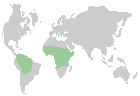
Yellow fever
is caused by a virus that can cause severe illness, including inflammation of the liver. The disease is transmitted by mosquitoes and occurs in parts of Africa and South America.
Some countries require proof of yellow fever vaccination as a condition of entry, particularly when travellers arrive from, or have transited through, a country where yellow fever occurs. These requirements are primarily intended to protect the country from imported infection rather than to protect the individual traveller. Where vaccination is required, it must generally have been given at least 10 days before arrival.
The official international validity of the vaccination certificate is lifelong. A booster dose cannot be required as a condition of entry under the International Health Regulations. However, an additional dose may sometimes be recommended for medical reasons depending on factors such as age, immune status, previous vaccination and destination.
People who cannot or should not receive the vaccine may be issued with a medical exemption certificate. In this situation, contact your vaccination clinic for advice.
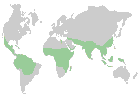
Malaria
is a potentially life-threatening parasitic disease transmitted by mosquitoes. The risk is greatest in parts of sub-Saharan Africa, although malaria also occurs in Asia and South America.
Protection against mosquito bites is one of the most important preventive measures. Antimalarial tablets are recommended for travel to many malaria-risk areas in Africa. These medicines are available on prescription, and your vaccination clinic can advise you on which medicine is appropriate and how it should be taken.
As malaria is transmitted by mosquitoes, preventing mosquito bites is essential. No mosquito bites – no malaria! Remember to take an effective insect repellent with you and, where appropriate, an insecticide-treated mosquito net.
Important insect-borne diseases
Protection against mosquitoes and other insects
Antimalarial tablets
Don't forget other important travel risks
Vaccinations are only one part of staying healthy and safe while travelling. Many serious incidents during travel are caused by road traffic accidents, drowning, alcohol, drugs, animal bites, heat, dehydration and other accidents.
Not sure what you need?
Contact a vaccination clinic well in advance of departure, particularly if you are planning a longer trip, backpacking, working abroad, are pregnant, have a medical condition, take regular medication or are travelling with young children.
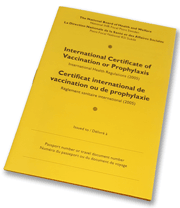
Don't forget your Yellow Book
Your Yellow Book (International Certificate of Vaccination or Prophylaxis) provides an official record of vaccinations and any international vaccination certificates.
You may need it for future vaccinations and, in some cases, when entering countries that require proof of vaccination, for example against yellow fever.
Keep your Yellow Book together with your passport.
Senast uppdaterad 2026-09-06